Why Water-Borne Coatings Behave Differently
Both SBPU and WBPU are typically two-pack systems, curing via the same isocyanate/polyol reaction. However, the carrier medium—solvent or water—affects drying, film formation, and spray application. Solvent evaporates quickly, helping the film self-level and resist defects. Water evaporates more slowly, so environmental conditions, airflow, and temperature play a bigger role in ensuring smooth film formation.
For example, applying a second coat of WBPU before the first coat has fully dried can trap water in the film, causing fisheyes or runs. Operators familiar with solvent-borne coatings may underestimate this, thinking the water-borne system will behave the same.
Key Considerations When Using Water-Borne Coatings
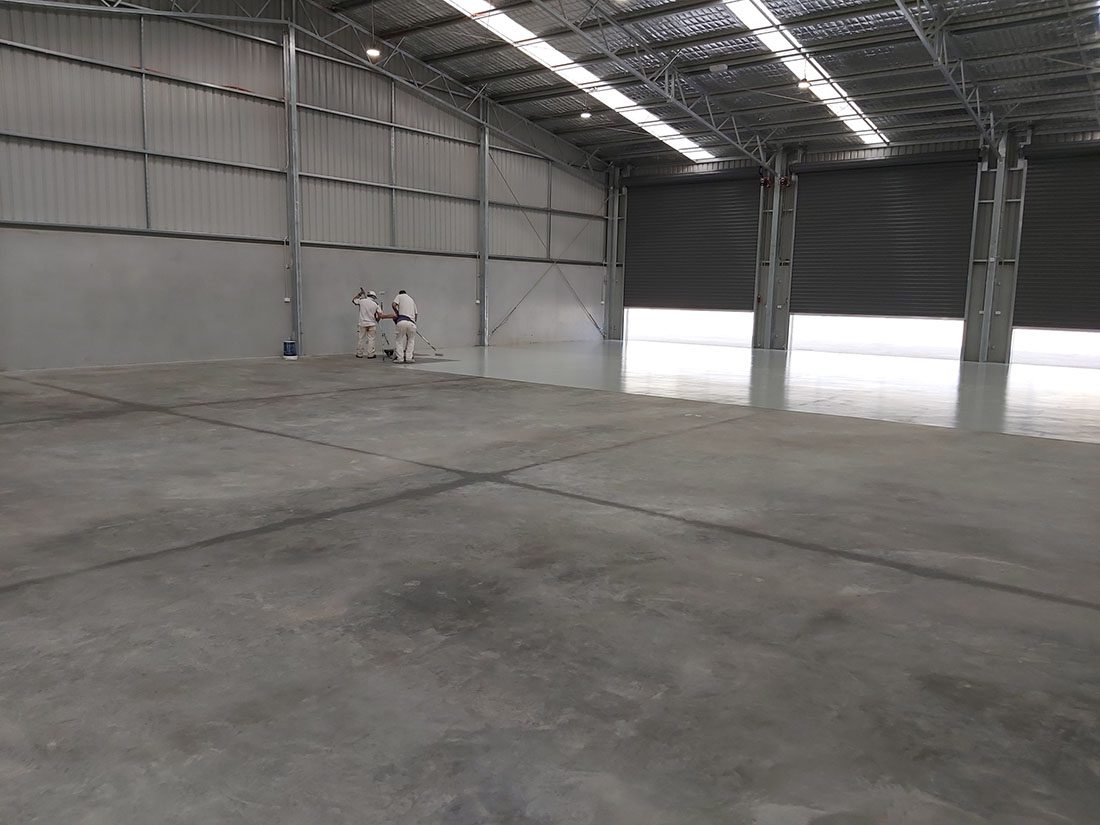
Surface Preparation: WBPU requires perfectly clean, dry, and grease-free surfaces. Water will not dissolve oils or contaminants, so defects show up quickly. Solvent-borne coatings are slightly more forgiving but still need good surface prep.
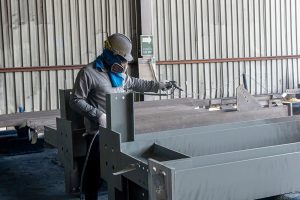
Equipment: Stainless steel spray guns and fluid passages are recommended for WBPU to prevent corrosion. Low-grade steel or aluminum can degrade, and lines must be flushed with water-compatible cleaners.
Spray Technique & Atomisation: Water-borne coatings usually have higher viscosity than solvent-borne. Operators may need higher atomising pressure or fine-tip air-assisted airless guns. Under-atomisation leads to stringy sprays and uneven coverage.
Environmental Sensitivity: Temperature, humidity, and airflow are critical for WBPU. Cold or humid conditions slow drying and coalescence, potentially causing blushing or uneven films. In contrast, SBPU is less sensitive, though moisture can still affect cure.
Drying & Curing: WBPU may feel slower in the early stages of drying, but full cure is comparable to SBPU once the water has evaporated. Forced airflow can help speed up initial water flash-off.
Film Appearance: Modern WBPUs achieve high gloss and smoothness, but the finish may be slightly lower in gloss or show more orange peel if spray parameters aren’t optimized.
Health & Safety: WBPU is lower VOC and non-flammable, making it safer for operators, though proper PPE is still required for the isocyanate hardener. Solvent-borne coatings have higher VOC, stronger odours, and require more stringent ventilation and protective measures.
Practical Tips for a Flawless WBPU Finish
- Patience is key: Never rush the next coat. Ensure the first coat has fully dried to avoid fisheyes and runs.
- Control your environment: Warm, well-ventilated spaces help water evaporate faster and improve leveling.
- Adjust spray settings: Higher atomising pressure and correct gun choice are essential.
- Train your team: Operators experienced with SBPU need guidance on handling WBPU, including slower flash times and environmental sensitivity.
- Check surface prep: Clean, dry, and grease-free substrates are non-negotiable.
Conclusion
Switching from solvent-borne to water-borne coatings isn’t just a simple swap—it requires understanding the behavior of water as a carrier. By respecting drying times, adjusting spray technique, and controlling the environment, you can achieve a high-quality finish with WBPU, while also benefiting from lower VOCs and safer application.
At A&I Coatings, our two-pack water-borne polyurethane systems are designed for performance, but even the best products require careful handling. Remember: rushing a water-borne coating is a recipe for defects. Patience, preparation, and proper technique make all the difference.
Get in touch today!
Contact the friendly team at A&I Coatings – we’d be happy to help with tips and advice to find the right solution for your next floor coating project. Ph: 1800 819 585 or email: helpdesk@aicoatings.com