
Rust or Bust:
Corrosion costs Australia billions of dollars every year, with the CSIRO estimating the annual cost to be as high as 2–3% of Australia’s GDP. Whether you’re designing, maintaining, or protecting a structure, understanding the environment it will be exposed to is essential for selecting the right corrosion protection system.
The Atmospheric Corrosivity Categories outlined in AS/NZS 2312.1:2014 provide the basis for determining the most appropriate protective coating system for a structure. The standard classifies atmospheric environments according to their corrosivity, helping specifiers, asset owners, and contractors select systems that deliver the required durability and performance.
These classifications range from C1 (Very Low) to C5 (Extreme) and are based on factors such as salinity, humidity, pollution, temperature, and rainfall. As environmental conditions become more aggressive, the rate of steel corrosion increases and coating systems are subjected to greater demands.
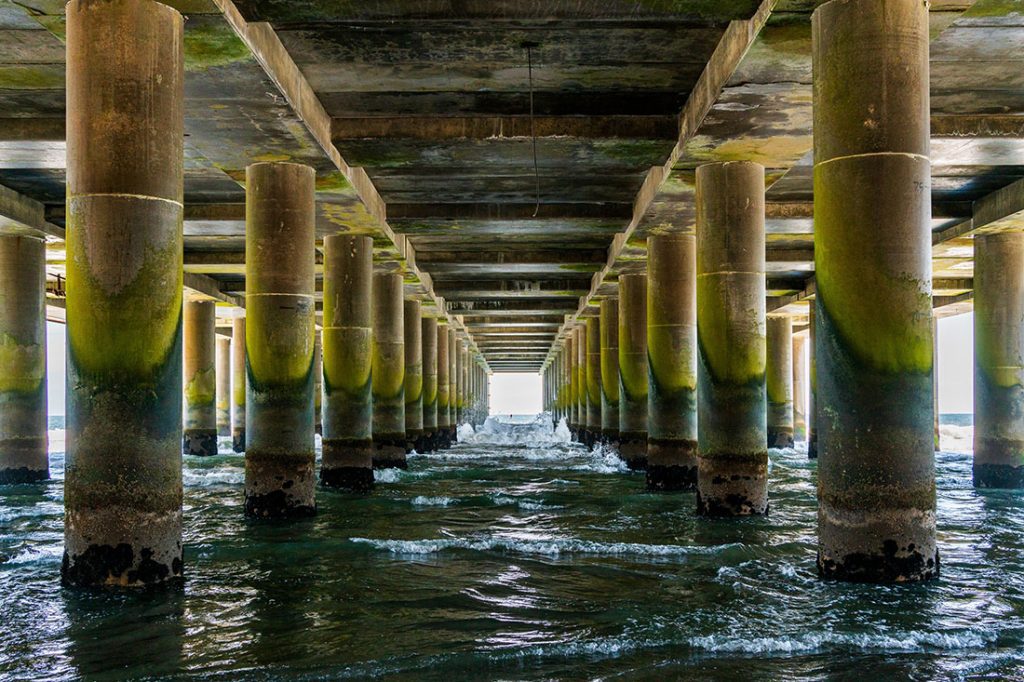
5 Atmospheric Corrosivity Categories
List current five Corrosivity Categories
C1:
Corrosivity: Very Low
Description: Environments in this category are most commonly found inside heated or air-conditioned buildings with clean atmospheres, such as most commercial buildings. They may also be found in semi-sheltered locations remote from marine or industrial influence and unheated or non-air-conditioned buildings.
C2:
Corrosivity: Low
Description: Dry, rural areas and other regions remote from the coast or sources of pollution, and most areas of Australia and New Zealand beyond at least 50 km from the sea. Can extend as close as one kilometre from seas that are sheltered. Typical areas occur in arid and rural inland regions, most inland cities and towns, and suburbs of cities on sheltered bays.
C3:
Corrosivity: Medium
Description: Coastal areas with low salinity. Varies significantly with factors such as winds, topography, and vegetation. Extends beyond about 50 m from the shoreline to about one kilometre inland around sheltered seas. For less sheltered bays, this category extends from 100 m from the shoreline to about 3 to 6 km inland.
C4:
Corrosivity: High
Description: Coastal areas with moderate salinity. Extends from about 50 m to several kilometres inland around moderately sheltered seas. For less sheltered bays, this category extends from about 100 m to several kilometres inland. Typical areas occur in coastal cities and towns such as Sydney, Brisbane, Perth, and Auckland.
C5:
Corrosivity: Extreme
Description: Coastal areas with high salinity. Extends up to about 50 m inland around unsheltered seas or within surf zones. For less sheltered bays, this category extends up to about 100 m inland. Typical areas occur near beachfront and near chemical plants.
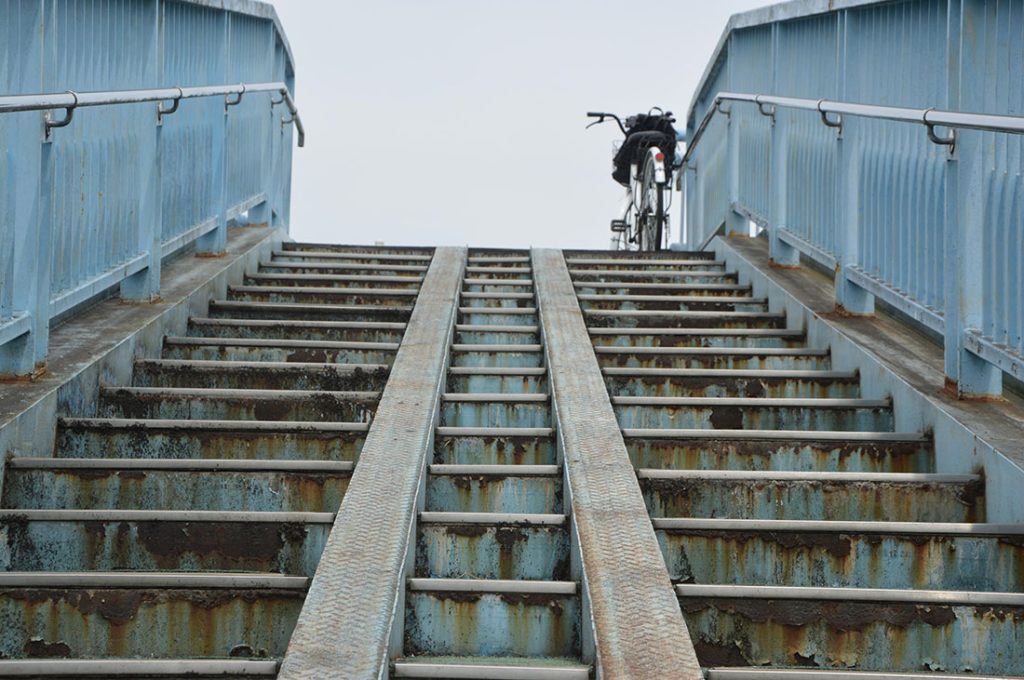
Why Correct Coating Selection Matters
Selecting the appropriate coating system starts with understanding the corrosivity category of the environment. The requirements for coating performance and durability increase as exposure conditions become more severe.
Failure to follow the recommendations contained within AS/NZS 2312.1:2014 can result in premature coating failure, accelerated corrosion, increased maintenance costs, and reduced asset life. By selecting a corrosion protection system that matches the environmental conditions, structures can achieve greater durability, lower lifecycle costs, and improved long-term performance.
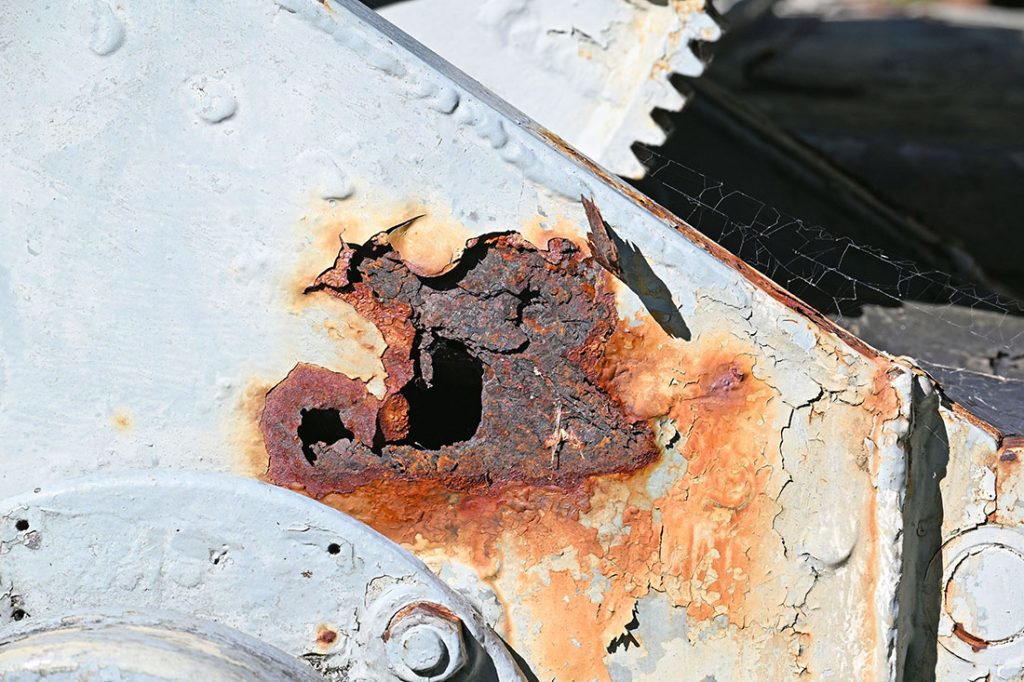
The bottom line? Understanding the environment is the first step to protecting your steel and ensuring your coating system performs as intended for years to come.
Need Support?
At A&I Coatings, we specialise in high-performance coating systems designed for real-world conditions.
Get in touch with our team to find the right solution for your next project.
Phone: 1800 819 585
Email: helpdesk@aicoatings.com